Competent individuals can transform potential into actuality. From here comes the importance of developing the skills and abilities of educators as one of the most imperative drivers of any successful impact on children’s lives. Therefore, enduring training is a constant and fundamental pillar of the Early Childhood Education Development (ECED) Program. Year after year, this training not only targets kindergarten teachers and supervisors, but it is also anchored as a reference for them to revisit and continuously improve their abilities, deepen their knowledge of active learning methodologies, and master the fundamentals of early childhood education. It is carried out by specialists from the Lebanese Institute for Educators (ILE) at the Saint Joseph University of Beirut (USJ). These specialists have started conducting weekly training sessions since the beginning of the current academic year.
The training this year is divided into two types:
1- Early childhood education training: it involves 53 kindergarten teachers.
2- Specialized training: it involves 24 kindergarten teachers. They are trained on the best methods and approaches to integrating children with disabilities into kindergartens.
Such training is the cornerstone that will ensure high-quality childhood education.
The distinction in detail builds a feasible course for the application
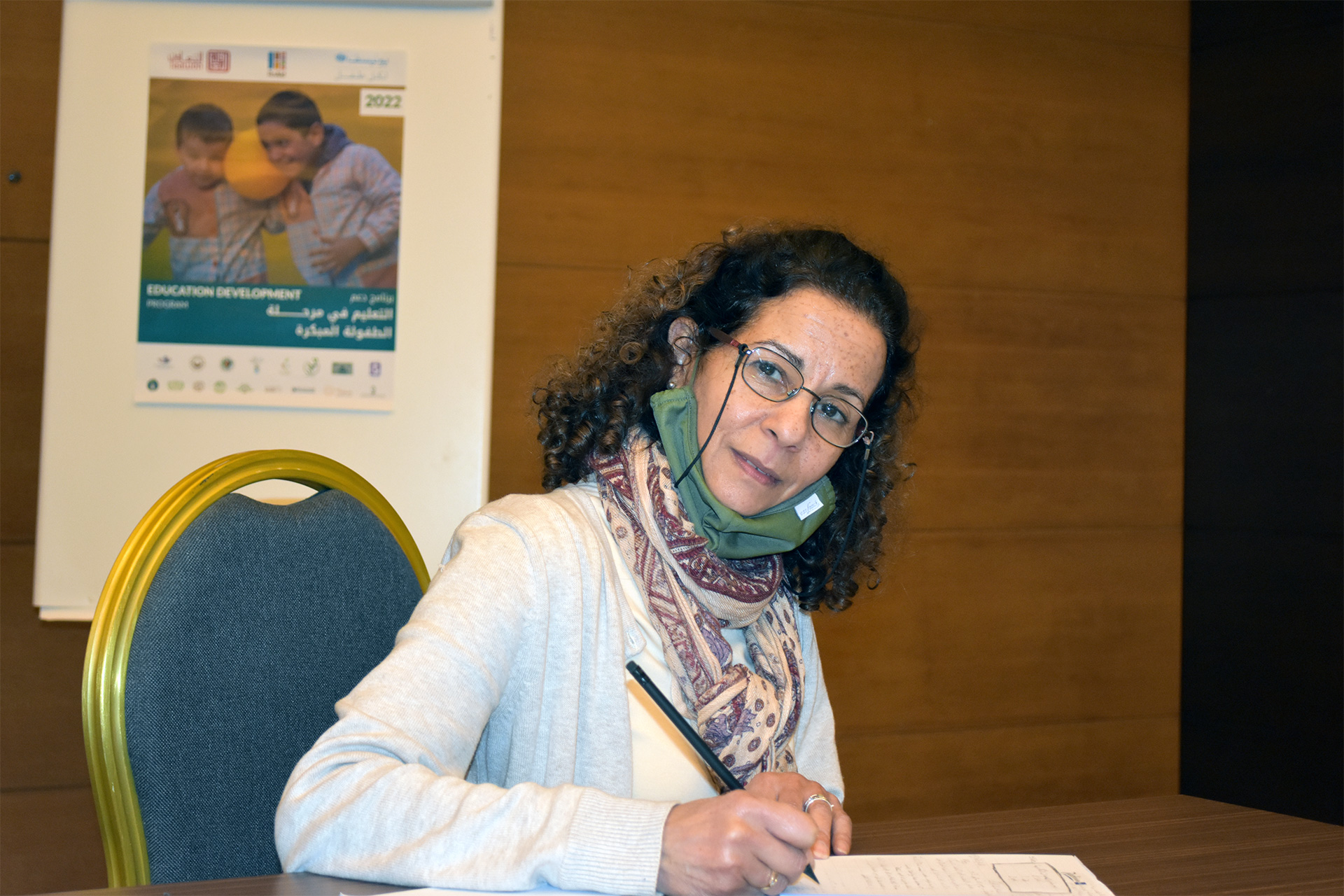
“The significance of training manifests itself in the fact that it provides us with scientific and practical material simultaneously”, says Sawsan Hajj Ibrahim, an educator from the “Mousawat” organization. "There are a lot of fine details that assume a decisive role in the success of our work and in our involvement with the child, especially in terms of how we demonstrate the learning methodologies to children and how to deal with them, more particularly the children with special needs. Therefore, we need to continually refresh and develop our knowledge, as well as to learn about the most up-to-date recommendations and newest methods implemented, which are constantly updated. In addition, the training has helped me deal with, support, and guide parents on how to optimally communicate with their special needs children. What also caught my eye during the workshops was the exchange of information between participants, mainly since each one of us comes from a different kindergarten and a distinctive background, some of whom work in integrated kindergartens. So, this interchange of data and expertise also benefits us in the ongoing progress towards changing and upgrading our work and performance."
A golden opportunity for development and progress
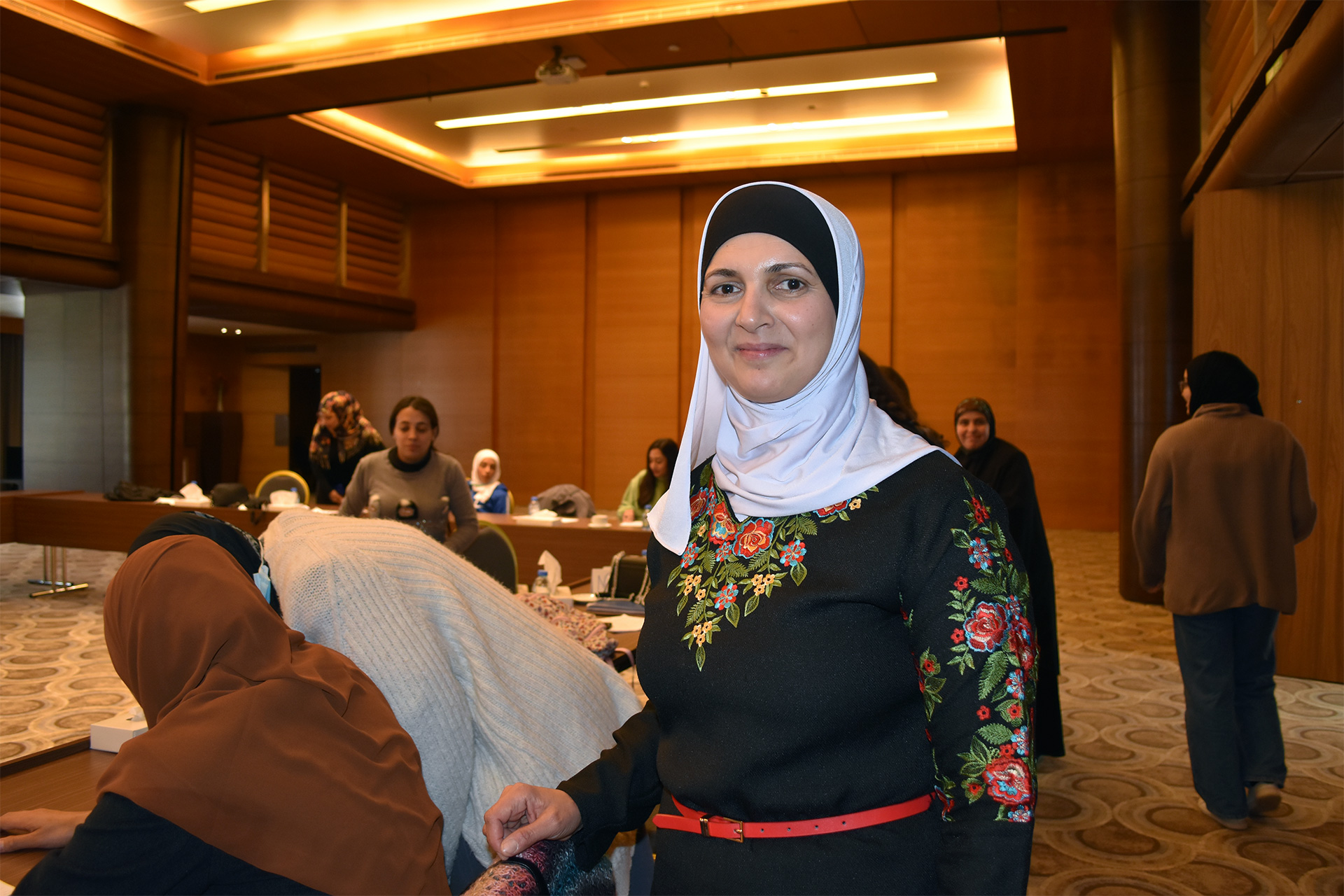
After Noha Sibahi earned her bachelor's degree in education, she immediately began working as a preschool teacher at Alma kindergarten in the Shatila refugee camp. "The training offered me the golden opportunity to complement what I learned at the university with the practical experience with children at the kindergarten," says Noha. “I have benefited greatly in terms of class management, lesson preparation, and children's participation. Most importantly, it is us gaining the capability to properly deliver the educational material, as learning has to be a jaunty journey for the child where he acquires, through playing, the information that he is supposed to learn at a particular age." Noha adds.

The criteria for the optimal learning experience
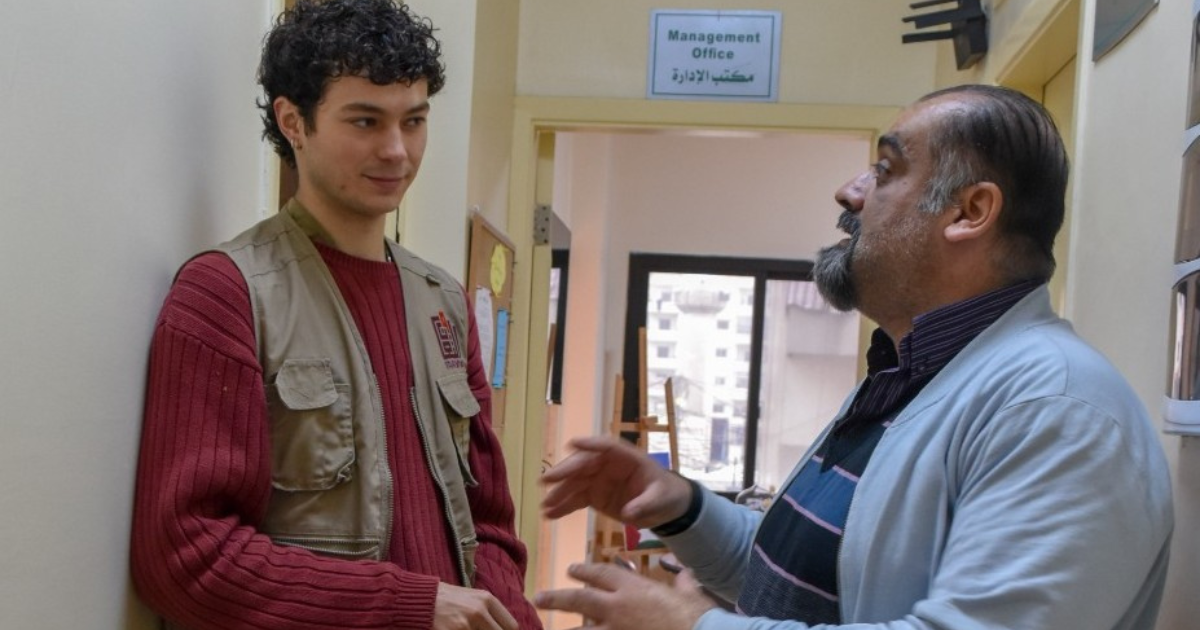
Educational expert Soha Tabbal traveled to Lebanon for a fieldwork visit, continuing an effort she had contributed to four years earlier when the Early Childhood Education Development Program introduced the "minimum standards for kindergartens”. "The end of each phase is the beginning of a new development phase, and this is the upside for working with Taawon within the UNICEF-backed ECED Program," says Tabbal. "At this stage, I am working to keep pace with the accession of new kindergartens to the program in terms of conforming to the minimum acceptable standards developed about four years ago. During my visits and tours to various kindergartens within the refugee camps, I observed a great proactive deal of interest from institutions in developing their work, and a wide enthusiasm from kindergarten teachers to apply the new concepts learned about active learning methods during the training courses. In all of this, I noticed that they are keen to consider the child's development process and develop his or her abilities as their priority, which is great" she says.
The way to a better learning experience for the child starts with having decent standards in their learning environment. Soha Tabbal's tour included eight kindergartens that have recently joined the program. Extensive effort is being put into them to evaluate their compliance with the minimum standards for kindergartens. In addition, a personalized individual guide has been prepared for each kindergarten. This guide identifies the most prominent observations and trends to be worked on and implemented respectively in order to achieve the desired goal of making kindergartens compatible with such standards.
A bargain with the future to guarantee high-quality preschool education
Taawon allocates tremendous prominence to the training element. Nevertheless; combining it with thoughtfulness and belief in the human resources element has become the primary lever that ensures quality early childhood education. In its light, more than 400 kindergarten teachers have been trained since 2006. Moreover; two years ago, Taawon began organizing specialized training courses and workshops intended to integrate children with special needs into kindergartens, thereby enhancing the capacity of numerous integrated kindergartens to welcome these youngsters and to provide them with specifically designed educational programs that accommodate their needs. This effort over the years has led to an ascent in the number of integrated kindergartens in the Palestinian camps, which have reached 13 up to this point.
Thanks to UNICEF for closely backing this program. This helped Taawon expand its involvement and influence in the field by bringing more kindergartens on board and providing them with hands-on follow-up. Furthermore; this collaboration assisted Taawon to implement much-needed restoration, rehabilitation, and equipping of such kindergartens, seeking to nourish the flower of hope in Palestinian children.