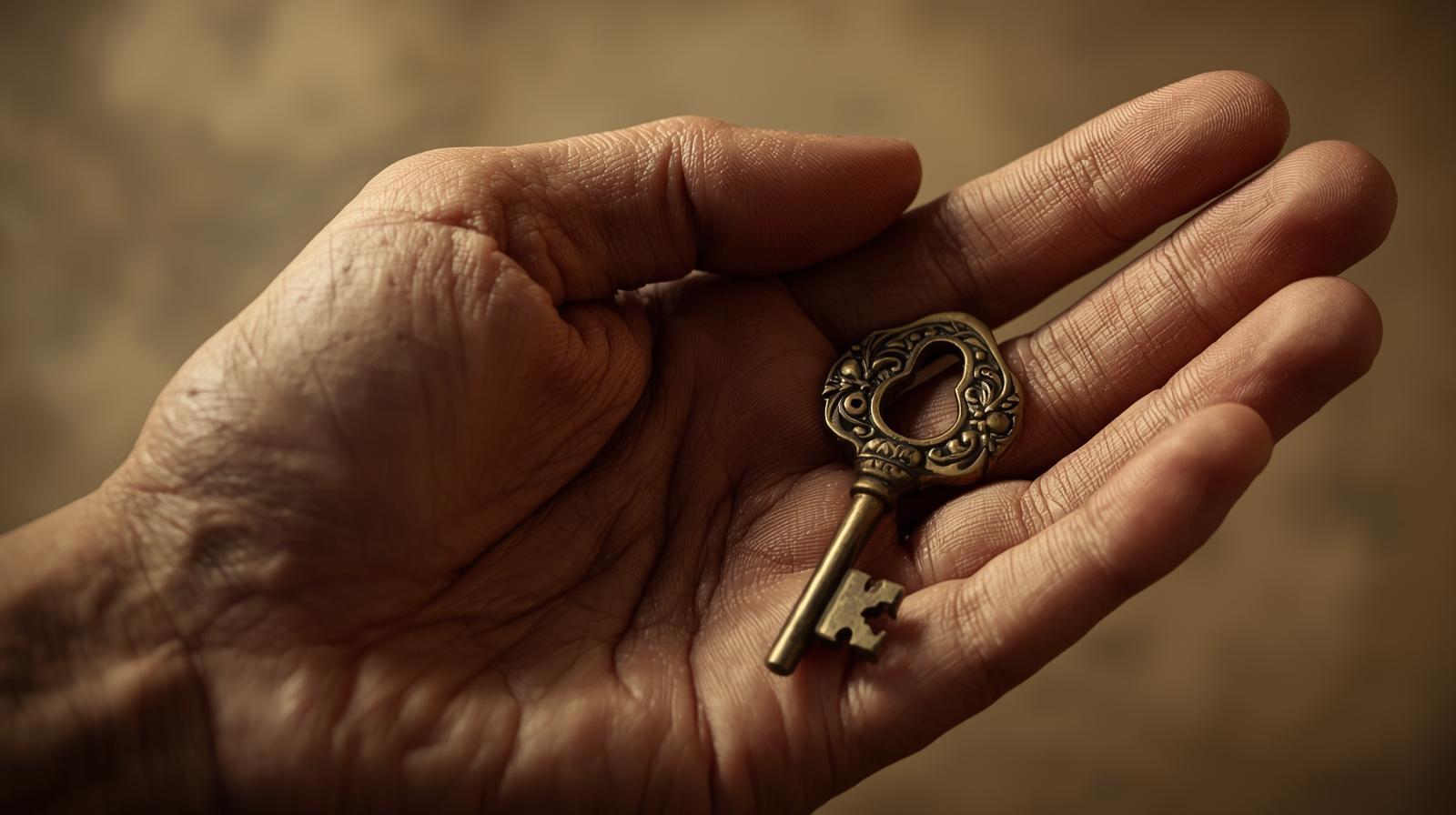
The Key of Return still hangs in Palestinian homes, reflecting a core idea: You can take away the house, but you can never take away the hope.
What Is the Palestinian Key of Return?
The key is a symbol of a lost home, a tangible link for the Palestinians to a past they can never forget, and a hope they refuse to abandon.
It represents the homes lost during the 1948 Nakba, when over 750,000 Palestinians were forced to leave their towns and villages. Families locked their doors and carried their house keys with them, believing they would return in a matter of days.
But days turned into decades, and the keys became symbols of memory, identity, and hope.
What Happened During the Nakba in 1948?
The Nakba (Arabic for “catastrophe”) marks the mass displacement of Palestinians that followed the 1948 Arab Israeli War.
Entire towns (Haifa, Jaffa, Safad, and hundreds more) were depopulated. Families fled violence, many walking for days, carrying only what they could hold. Among those few belongings: their house keys.
Those keys, once meant to open doors, became instead symbols of loss and belonging. Today, they remain a living reminder of what was taken and what still endures.
Why Is the Key So Important to Palestinians?
The Key of Return tells a story that every Palestinian knows, whether they were born in Lebanon, Jordan, Gaza, or the West Bank. It is not just a memory of a house. It’s a declaration: “We still belong.”
You’ll find the key in every corner of Palestinian culture:
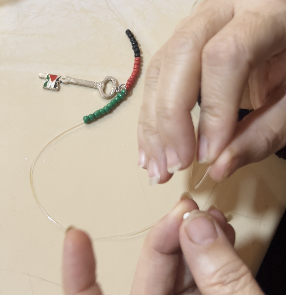
As necklaces, worn close to the heart
In murals across refugee camps, painted by young artists
As family heirlooms, handed down with stories of home
Each key is a thread connecting the past and the future. Proof that even after generations in exile, the dream of return has not faded.
What Does the Key of Return Symbolize Today?
Over time, the key has evolved into a global symbol of Palestinian identity and resilience.
It stands for:
The Right of Return: The belief that Palestinians have the right to return to their original homes and lands.
Collective Memory: The duty to keep stories of the Nakba alive for future generations.
Enduring Hope: The strength to believe in justice, even after decades of displacement.
Even among younger Palestinians who have never seen their ancestral villages, the key reminds them that their story and their identity are not forgotten.
Is the Key of Return Only About Palestine?
While deeply rooted in Palestinian history, the Key of Return has a universal echo. It speaks to every refugee and displaced person who has ever lost a home to everyone who understands what it means to long for a place you can’t go back to.
It’s a quiet yet powerful symbol of hope, belonging, and the human right to return.
Want to Learn More About Palestinian Refugees?
Explore stories of education, empowerment, and resilience among Palestinians in Lebanon:
How Taawon supports Palestinian communities in Lebanon