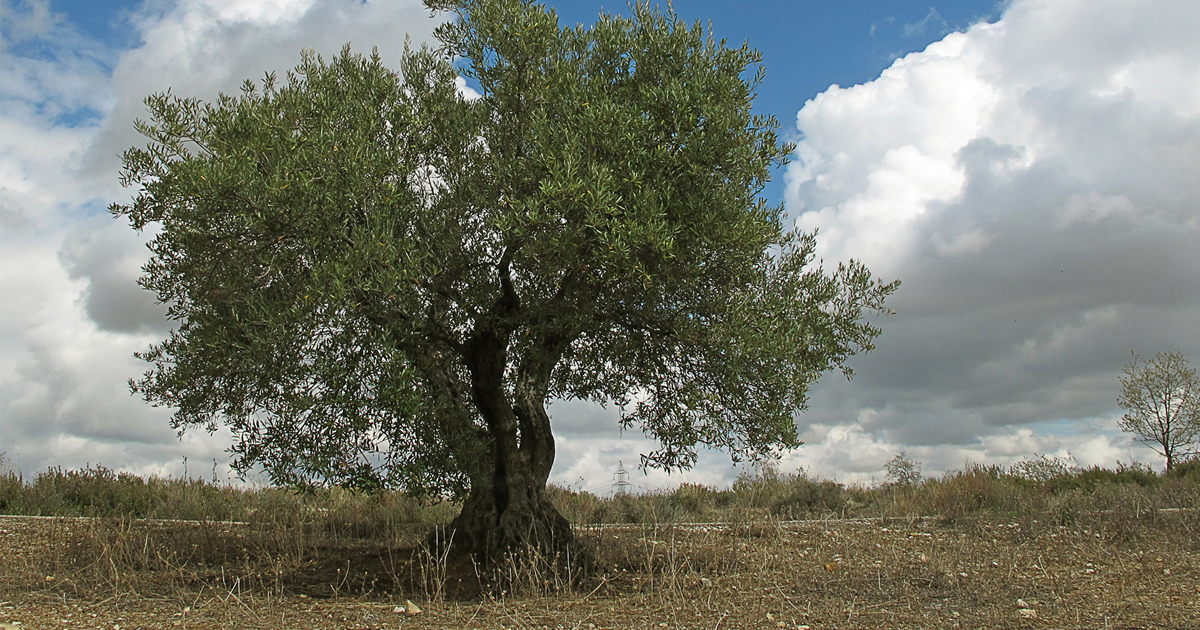
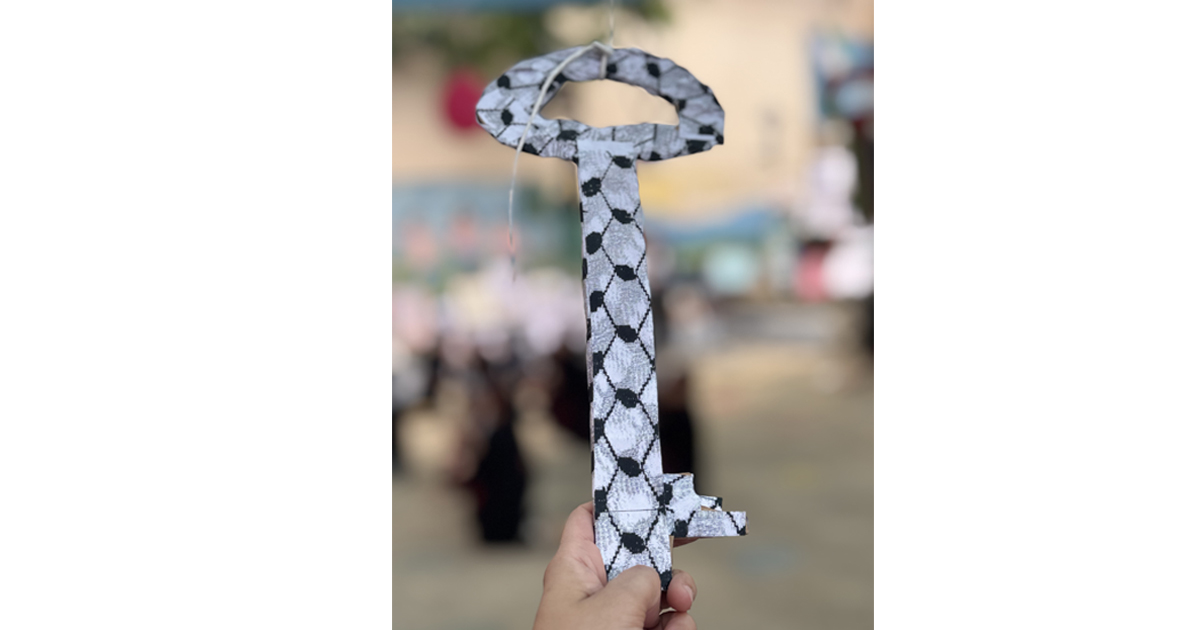
When you think of Palestine, images of olive trees, embroidered dresses, and the black-and-white kouffiyeh often come to mind. But there's another symbol, bright and sweet: A watermelon.
Where the symbol began
Israel banned the raising of the Palestinian flag after the Six-Day War in 1967 in the West Bank and Gaza Strip. This ban remained in place until the signing of the Oslo Accords between Israel and the Palestine Liberation Organization (PLO) in the late 1990s.
During the ban, Palestinians fought to carry their flag in different ways and faced various forms of suppression. They turned to the symbolism of its colors. In one such act of repression, Israeli authorities shut down an art exhibition by Palestinian artist Sliman Mansour in the 1980s, claiming his works displayed the colors of the Palestinian flag. According to Mansour, an Israeli officer told him: “You are not allowed to paint in red, green, black, or white—these are the colors of the Palestinian flag.”
At the exhibition, fellow Palestinian artist Issam Bader asked the officer: “And what if we paint a flower in those colors?” The officer replied: “We’ll confiscate it. Even if you paint a watermelon, we’ll confiscate it.”
And so, it happened. They painted the watermelon, which indeed carries the colors of the Palestinian flag. What began as a sarcastic response to repression became a lasting symbol of a people forbidden from raising their flag on their own land. The watermelon became a metaphor for the Palestinian flag.
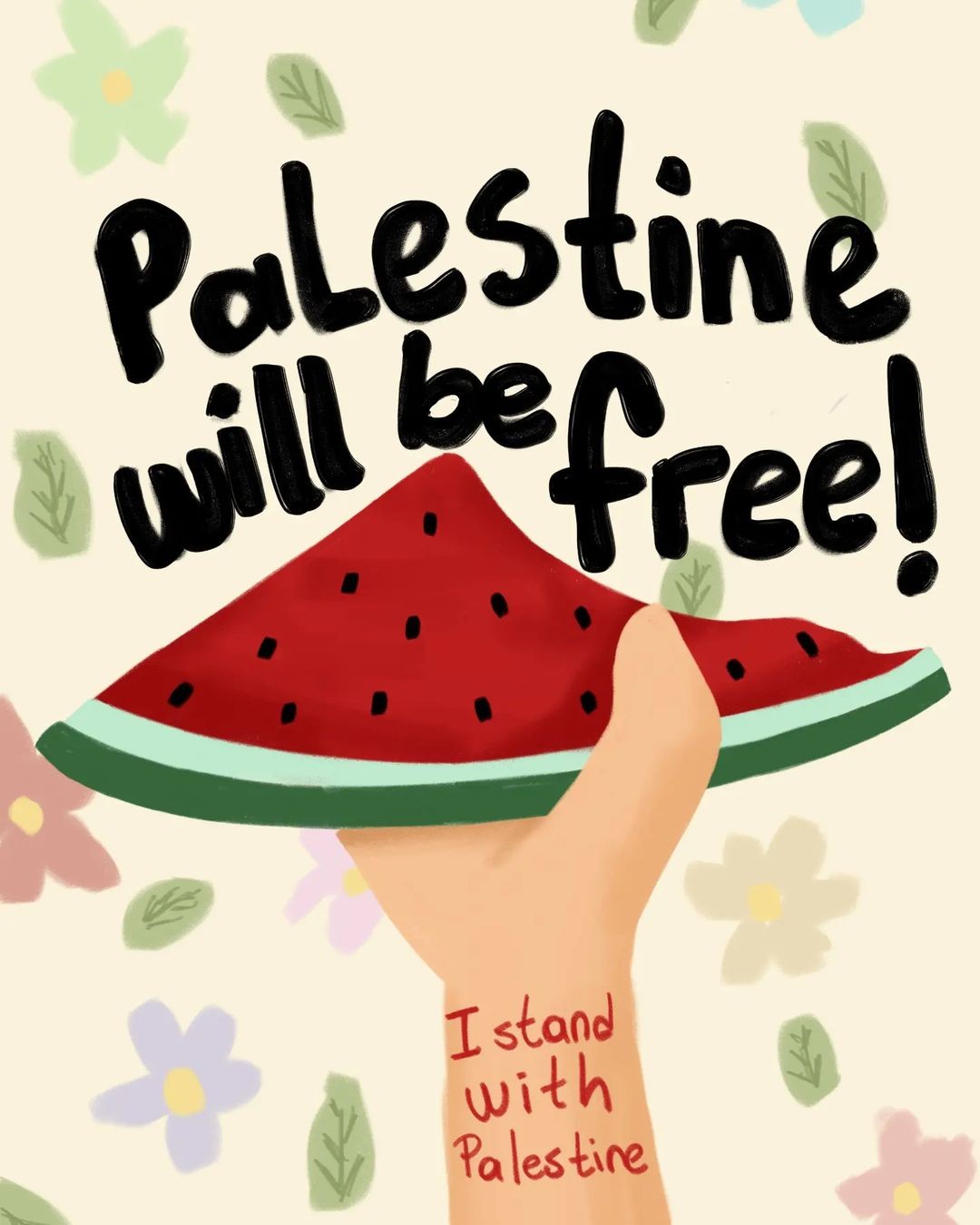
A watermelon drawing by a Turkish artist
The Watermelon as a Symbol of Palestine Today
Over time, the watermelon became more than just a stand-in for the flag. It evolved into a cultural icon that represents identity, a poignant reminder of Palestine's history and unity, and a quiet yet bold message of resistance when voices are silenced.
Today, the watermelon appears across all aspects of Palestinian art, culture, and expressions of solidarity:
• Murals and Paintings: Graffiti, fine art, and even caricatures that combine the watermelon with other national symbols.
• Fashion and Accessories: Designers have created kouffiyehs, bags, and jewelry inspired by the watermelon motif. Some public figures have carried or worn watermelon-inspired designs to show their support for Palestine—such as Indian actress Kani Kusruti, who caught attention with her watermelon handbag at the 77th Cannes Film Festival in France.
• Social Media Content: The watermelon is often used as a stand-in for the Palestinian flag, even the watermelon emoji has become part of the digital language of posts and comments.
• Protests and Pro-Palestine Gatherings: The watermelon image frequently appears alongside the Palestinian flag in rallies and events supporting the Palestinian people. It has come to embody a taste of belonging, free expression, and solidarity. Since the onset of the assault on Gaza, its usage has become even more widespread.

Kani Kusruti, the Indian actress
How the watermelon crossed borders
The symbolism of the watermelon has crossed Palestine’s borders to become a global emblem against digital censorship and attempts to silence Palestinian content online, especially during the recent assault on Gaza.
In marches around the world, activists carry watermelon signs or paint them on posters, using it as a universal symbol of solidarity with Palestinians. Its use has surged on social media as platforms increasingly block the word “Palestine” or restrict pro-Palestinian content. Once again, the watermelon has stood up to censorship and prevailed.

A plaque on the entrance of a family's home in Philadelphia, USA, that supports Palestine.
This Is Not a Watermelon
Experience has proven that the power of an image can equal the power of a word when both are tied to oppression and human struggle. More importantly, it has shown that Palestinians possess a resilience that transcends every form of repression, always finding a way to express their rights, identity, and homeland through every symbol and image.