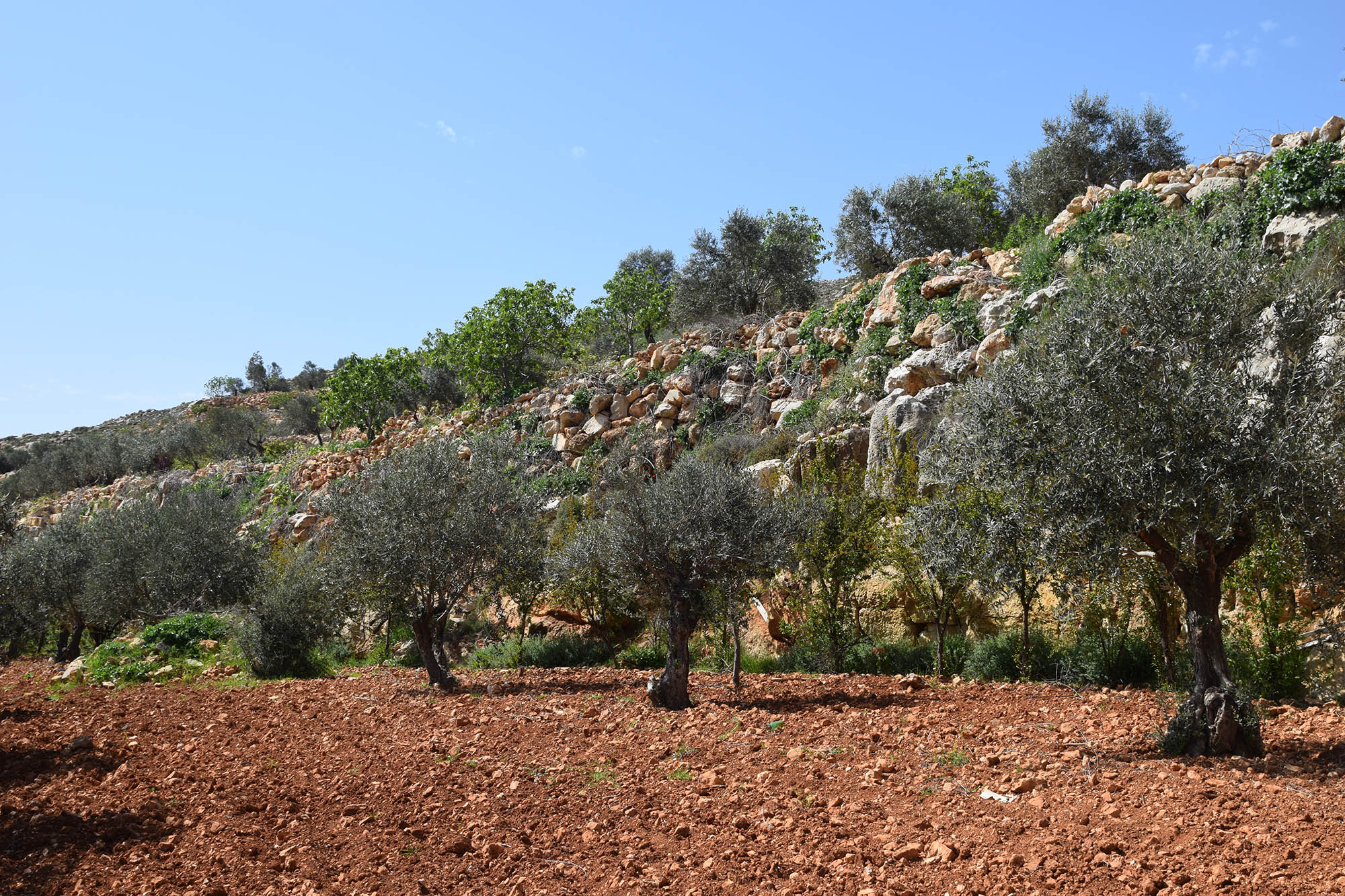
For centuries, olive trees have been planted across the hills and valleys of Palestine. Some of the oldest olive trees in the world still stand there today, their roots deep in the soil and their branches stretching outward as if carrying the memory of countless seasons.
To which historical era does the olive tree in Palestine date back?
The olive tree in Palestine is among the world's oldest cultivated trees, closely tied to Palestinian life for thousands of years. Archaeological findings reveal the presence of olive presses and groves dating back to the Chalcolithic period (3600–3300 BCE), highlighting the deep historical connection between the Palestinian people and this enduring tree.
Most olive production is concentrated in the West Bank, where more than 10 million olive trees cover approximately 86,000 hectares, forming a vital part of Palestinian agricultural land.
When does the olive harvest season begin in Palestine?
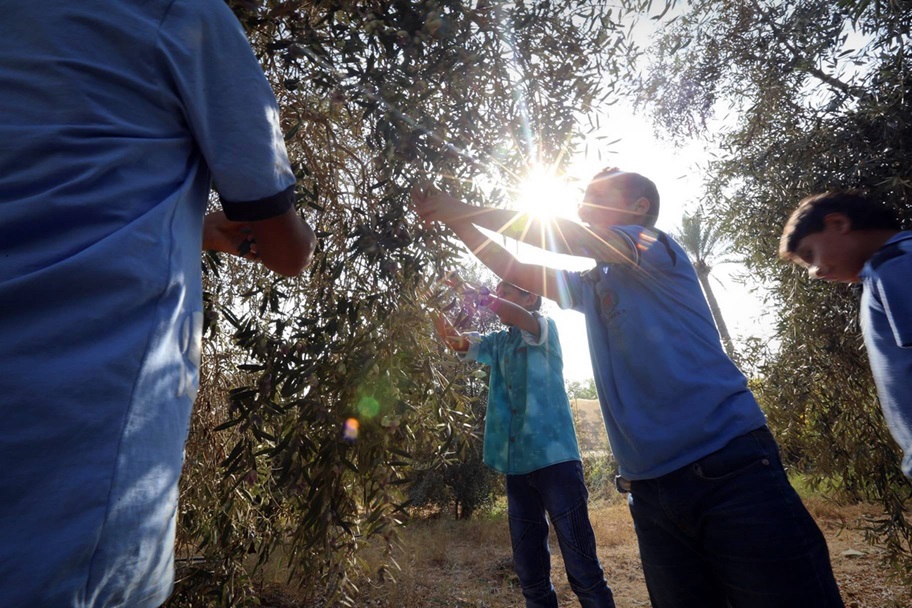
The olive harvest season begins with the first autumn rain, typically in October and November. During this time, villages come alive as families prepare for this long-awaited annual tradition.
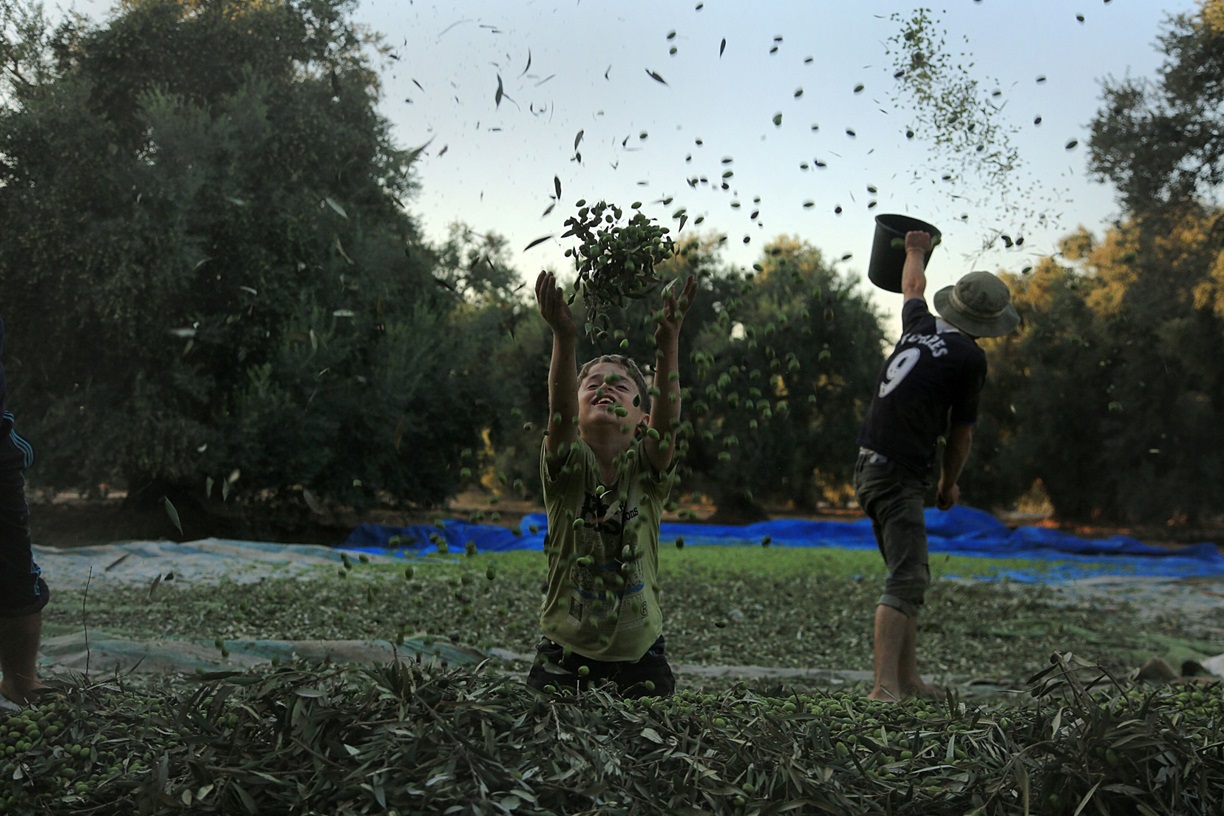
For generations, Palestinians have harvested olives by hand, one by one, in a collective scene that brings families together. Every member participates, with children often taking on the task of gathering fallen olives from the ground, an experience that instills a sense of belonging from an early age.
Over the years, the harvest season has developed its own traditions, including folk songs and social rituals that Palestinians continue to preserve to this day.
Today, around 100,000 Palestinian families depend on the olive harvest for annual income. The season remains as much a social and cultural occasion as it is an economic activity, a deeply rooted part of Palestinian life.
What does the olive tree represent in Palestinian culture and identity?
For Palestinians, the olive tree is not merely a fruit-bearing tree; it is a living family legacy passed down through generations. It is a deeply rooted symbol of connection to the land, continuity, and identity.
From this perspective, caring for an olive tree becomes an act of resilience, protecting it is a defense of memory, and cutting it down is seen as an assault on both people and land. The olive tree has thus become a cornerstone of Palestinian identity, embodying steadfastness through its ability to live for hundreds, even thousands of years, despite harsh conditions.
It is not just a crop, but a symbol of continuity, belonging, and the unbreakable bond between people and their land.
“We remain, as long as thyme and olive trees remain.”
Despite the uprooting and destruction of olive trees as a means of land dispossession and displacement, the harvest season continues to be a time of unity and hope. Families and neighbors work side by side in villages, sharing labor, stories, songs, and heritage across generations.
What does the olive tree represent in Palestinian memory?
When we speak of Palestinian olives, we are not speaking merely of agriculture, but of memory, identity, and a deeply rooted symbol of resilience in the heart of every Palestinian.
This tree is not only an agricultural asset, but also a cultural treasure and a symbol of peace and perseverance. Supporting Palestinian families in preserving this heritage means protecting both livelihoods and identity.