Below you will find a picture of Fadia’s back, now while the camera angle doesn’t show it completely, Fadia is a woman with broad shoulders. And how could she not be when life has always given her mean curve balls, but she has always batted them away giving them her hardest swing? Meet Fadia, a resilient mother of two residing in Nahr el- Bared.
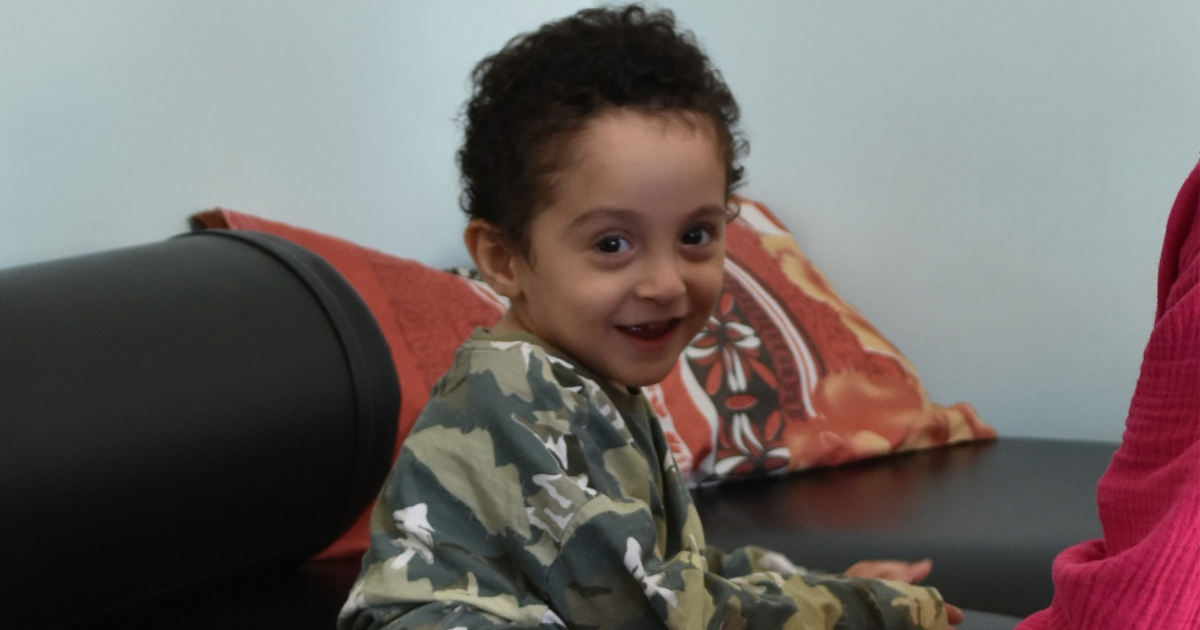
Fadia’s eldest son is on the spectrum. With the limited resources she had it was tough at first to pinpoint what was wrong with her son Abdulrahman but a couple of gossiping in the camp from neighbors, him shying away from any social interaction, and not speaking a word by the age of three, Fadia developed a hunch it might be autism. Surely after one consultation Abdulrahman’s diagnosis was clear. He is in fact on the spectrum.

“From there began a long odyssey of speech therapy, psychotherapy, and careful and daily follow-up in kindergarten and then at school” Fadia narrates, “but today my boy is 10 years old, he’s in grade 5 and has the highest grades among his peers. But he’s still treated like a social outcast, he’s not accepted well between his classmates and struggles to incorporate himself in society.”
Fadia explains that his seclusion ten folded when his dad suffered from a stroke rendering him immobile further adding to the pile she has. In many societies ADS is well accepted and people do not shy away from it but in our societies and in refugee camp communities, the mother is always seen as the culprit. This is why Fadia’s battle is unlike any other woman, especially with her husband being immobile she now has to be the motherly and fatherly figure to her son and daughter.
“After his father’s stroke, all of Abdulrahman’s progress started deteriorating, he was writing letters upside down. Here, a new journey began all over again. The new treatment required careful psychological follow-up of Abdulrahman, and direct follow-up with his teachers at school. This was not easy. I kept a record of all his grades so one day he could see all of the improvement he made.”

Fadia further expresses that she wants to equip her son with the best education can offer people with ADS. “I strongly believe that education is the shield that will protect him once I am gone. I want the best for him and as much as it scares me, I want him to be a member of society” Fadia chokes up.
Abdulrahman continues his sessions within the “Mental Health Program” project, which provides psychological and psychosocial services for children and adolescents from 5 to 18 years old in Nahr el-Bared camp, where a specialized psychiatrist evaluates each case separately, and develops an intervention plan that will be implemented in coordination with a psychotherapist.
Treatment sessions are organized at the Bet Atfal Assoumoud center, accompanied by follow-up visits inside their homes to track their response to the treatment within their families. The program also includes organizing psychological support activities that include interactive and entertaining games, integrating the patients with a group of children inside the camp. This program covers about 220 children and adolescents suffering from mental health.

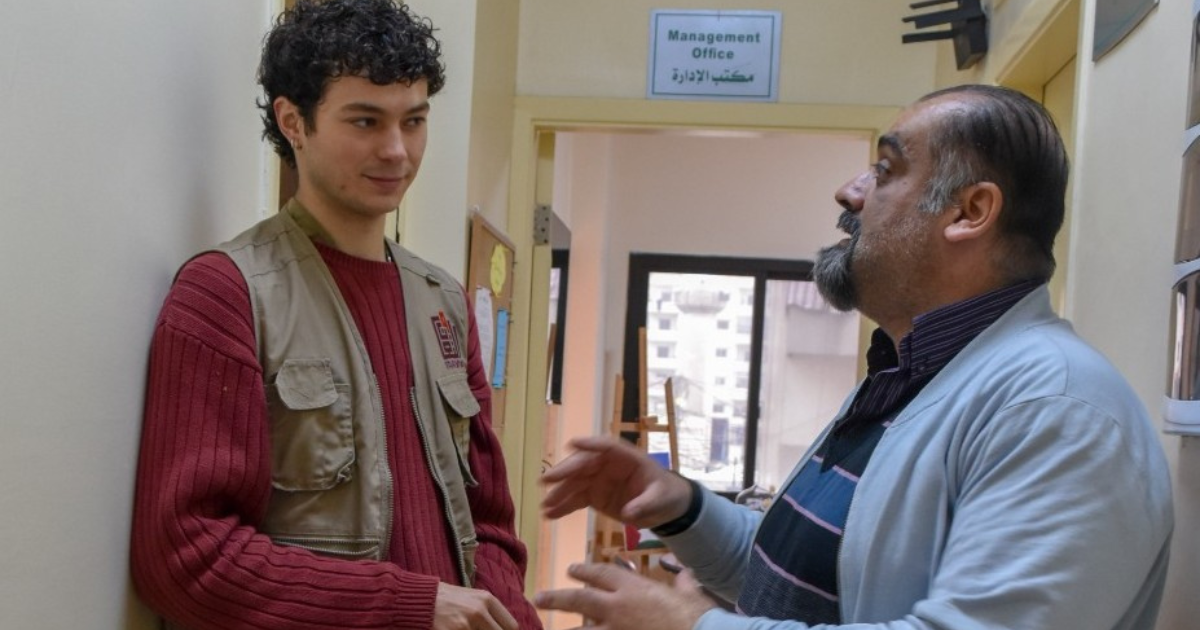
Hala Al-Sayed follows this program at the Bet Atfal Assumoud center. She reports how recently many families are realizing the importance of psychological intervention for their children. This is a milestone considering how mental health is not actively spoken about in Palestinian refugee camps despite them being the most entitled to it after wars and displacement. “Do not hesitate to admit you’re your children need psychological assistance" Al-Sayed advises.
“The sessions covered by the program include children and adolescents of different ages and situations with tailored follow-ups to each condition. The progress of the program has achieved a major change in the lives of the patients. Arming the mental health of children and adolescents at this age gives them an opportunity for proper growth and allows them to enter life full throttle capable of making decisions and contributing to the progress of their societies" Al- Sayed asserts.

In addition to all the follow-ups, sessions, treatments, etc. the program organizes awareness sessions for parents on issues related to mental health and bullying, in addition to organizing inclusive psychological support activities with games and competitions with a group of children from the camp outside the mental health program.
Mental health is loud and is part of the health of any individual. It is reflected in one’s psychological development and ability to make decisions, establish relationships, and express oneself in a healthy way. Mental health is critical to personal, community, and socio-economic development. Without specialized intervention, an individual cannot achieve their full potential and enjoy good health all of which solidifies the progress achieved with this program.